
How to Pick Dog Toys for Aggressive Chewers
· By The Golden Paw Team
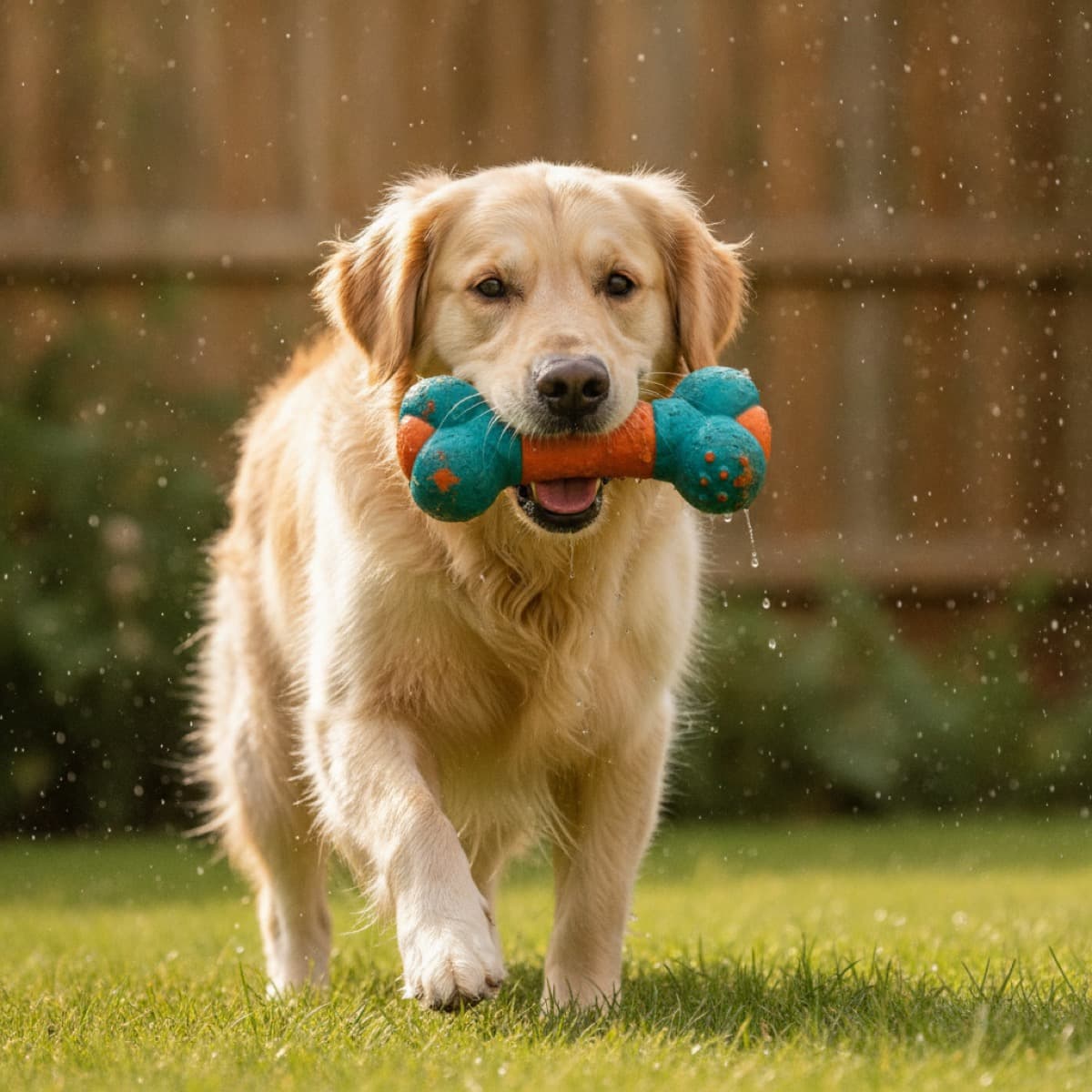
If your dog can shred a plush toy in minutes or destroy a "durable" bone by the weekend, you know the struggle. Aggressive chewers are hard on toys, and a toy that fails can turn into a mess, a choking hazard, or an expensive vet trip. The right toy needs to be tough enough to survive and safe enough to trust.
Chewing itself is healthy and natural. It relieves boredom, soothes stress, and supports dental health, so the goal is not to stop it but to channel it into the right toys. In this guide we cover the materials that hold up, the safety checks that matter, and the toys to skip. The picks we feature at Golden Paw link straight to Chewy and Amazon, so you can compare durability ratings and reviews before you buy.
What Makes a Toy Right for Heavy Chewers
A great toy for an aggressive chewer strikes a balance: firm enough to resist destruction, but with a little give so it does not damage teeth. Rock-hard toys can crack teeth, while soft toys get shredded fast. Look for products specifically labeled for "power chewers" or "aggressive chewers," since these are engineered for the job.
Size is a safety issue as much as durability. A toy should be too large to swallow or lodge in the throat, even after some wear. When in doubt, size up. A slightly larger toy is safer than one your dog could gulp down in a moment of enthusiasm.
Materials That Stand Up to Serious Chewing
Tough natural rubber is a favorite for good reason. It flexes under pressure, bounces back, and many rubber toys can be stuffed with treats to keep dogs engaged. Nylon chew toys are another durable option, designed to be gnawed on for long stretches without falling apart, though they should be firm rather than brittle.
For dogs who love to chew and eat, some edible or digestible dental chews are made to be tougher and last longer. These can be a good fit, but supervise your dog and remove any small end pieces. Reinforced rope toys can work for some chewers, though they are best for tug and light chewing rather than dedicated demolition.
Whatever the material, avoid anything harder than you can dent with a fingernail. A useful rule of thumb from many vets: if you would not want to be hit in the knee with it, it is probably too hard for your dog's teeth.
Safety Checks Before and During Play
Before giving your dog any toy, look it over for small parts like squeakers, plastic eyes, or thin seams that could be torn off and swallowed. For aggressive chewers, toys with removable pieces are a risk. One solid piece is almost always safer than something assembled from parts.
Supervision is key, especially with a new toy. Watch how your dog attacks it and step in if they start breaking off chunks. Chunks can cause choking or blockages, which are serious. It is a good habit to keep chew sessions within sight rather than leaving a determined chewer alone with a brand-new toy.
Toys to Avoid for Aggressive Chewers
Some popular items are not a good match for powerful jaws. Standard plush and squeaky toys usually last minutes, and the stuffing or squeaker can be swallowed. Thin rubber balls, cheap vinyl toys, and anything that splinters or cracks into sharp shards should be kept away from heavy chewers.
Real bones, antlers, and hooves are a common gray area. They are very hard and, while some dogs enjoy them, they carry a real risk of cracked teeth. If you choose to offer them, do so with caution and supervision, and talk to your vet about whether they are a good idea for your particular dog.
Keep It Interesting and Rotate Toys
Even the toughest toy is more appealing when it is fresh. Rotating a few toys in and out keeps your dog interested and can reduce boredom-driven destruction. Treat-dispensing and puzzle toys are especially good for aggressive chewers because they turn chewing into a rewarding game that holds attention longer.
Pay attention to what your dog actually enjoys. Some love to gnaw, others love to shake and tug. Matching the toy to their style, not just its toughness, means they will play with it happily and get the mental and physical outlet they need.
Know When to Replace a Toy
No toy lasts forever with an aggressive chewer. Inspect toys regularly and retire any that are cracked, splintering, or worn down to a size that could be swallowed. A once-tough toy can become a hazard after enough wear, so a quick check every week is worth the habit.
Budgeting for replacements is part of owning a heavy chewer. Prices vary widely, but investing in a few well-made, durable toys typically costs less over time than replacing cheap ones every few days, and it is far safer for your dog.
Frequently asked questions
- What toys last longest for aggressive chewers?
- Tough natural rubber and firm nylon toys labeled for power or aggressive chewers tend to last longest. Look for solid, one-piece designs sized too large to swallow.
- Are antlers and real bones safe for heavy chewers?
- They are very hard and can crack teeth, so use caution. If you offer them, supervise closely and ask your vet whether they are appropriate for your dog.
- How do I know if a toy is too hard for my dog?
- A common rule is that if you cannot dent it with a fingernail, or would not want it hitting your knee, it is likely too hard and could damage your dog's teeth.
- How often should I replace chew toys?
- Inspect toys weekly and replace any that are cracked, splintering, or worn down small enough to swallow. Heavy chewers go through toys faster, so plan for regular replacements.
Shop these picks
Found this helpful? Make us a preferred source on Google.
Ready for an exact price?
Get a free, no-pressure in-home estimate. Real numbers for your home, not a phone guess.