
How to Get a Picky Cat to Eat: What Actually Works
· By The Golden Paw Team
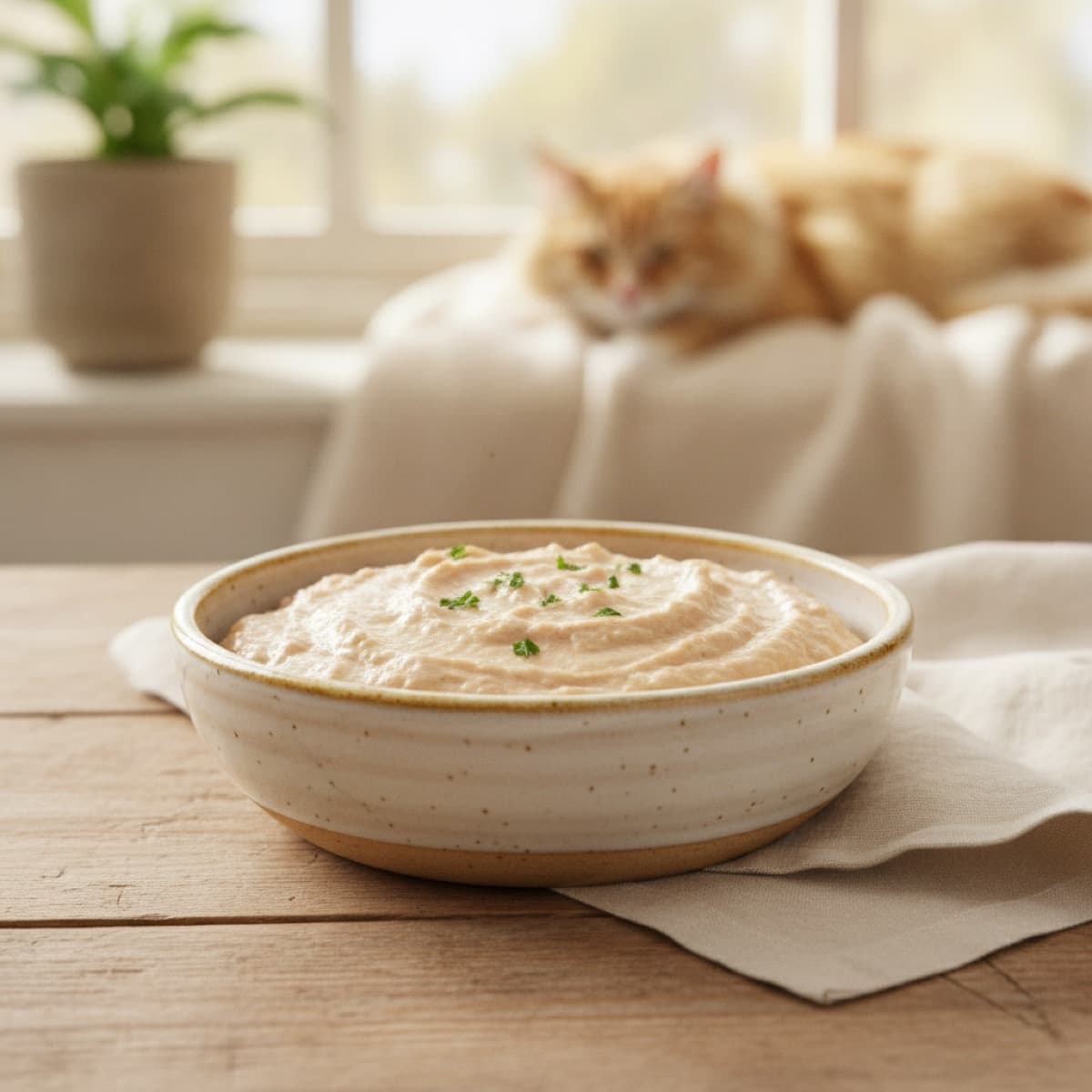
Few things test a cat owner's patience like a full bowl and a cat who walks away from it. You bought the food they loved last week, you set it down at the usual spot, and now they act like you have betrayed them. Picky eating is one of the most common frustrations cat owners deal with, and there is often a real reason behind it.
The good news is that a lot of fussiness responds to small, practical changes: the temperature of the food, where the bowl sits, how meals are timed, and how much variety you offer. This guide walks through what actually works, in a sensible order, and just as importantly, it covers the warning signs that mean pickiness is a health issue rather than an attitude. At Golden Paw we curate cat food picks worth trying on Chewy and Amazon, but the tips below cost nothing and are the first place to start.
First, Rule Out a Health Problem
Before you blame your cat's personality, take the loss of appetite seriously. A sudden refusal to eat, especially in a cat who normally has a healthy appetite, can signal dental pain, nausea, an infection, or another medical issue. Cats are experts at hiding illness, and a quiet food strike is sometimes the only clue.
This matters more with cats than with dogs. A cat who eats little or nothing for a couple of days can develop a serious liver condition called hepatic lipidosis, which is dangerous and hard to treat once it starts. That is why prolonged fasting is never something to wait out.
The rule of thumb many vets share: if a cat has not eaten in about 24 hours, or is eating far less than normal along with other signs like hiding, vomiting, drooling, or weight loss, call your veterinarian. The tips in the rest of this article are for a cat who is otherwise healthy and simply particular, not for one who may be sick.
Warm It Up and Amp Up the Aroma
Cats decide a lot about food by smell, and aroma fades when food is cold or has been sitting out. One of the easiest and most effective tricks is to gently warm wet food to around body temperature. A few seconds in the microwave, stirred well and tested so it is warm and never hot, can wake up the smell and make a bowl suddenly appealing.
If you refrigerate leftover wet food, serving it straight from the fridge is a common reason a cat turns up their nose. Let it come closer to room temperature first, or warm it slightly. The difference is often dramatic.
You can also boost the aroma with a splash of low-sodium, onion-free and garlic-free broth, or a little water from a can of tuna packed in water, drizzled over the food. Some owners sprinkle a cat-safe topper or a bit of freeze-dried treat crumbled on top. Keep these extras small so the meal stays balanced, and skip anything seasoned for people.
Fix the Environment and the Bowl
Where and how you feed matters more than most people expect. Cats can be sensitive to their whiskers touching the sides of a deep, narrow bowl, a phenomenon sometimes called whisker fatigue. A wide, shallow dish or a plate can make eating more comfortable and cut down on mysterious food refusals.
Location counts too. A bowl placed right next to a noisy appliance, in a high-traffic hallway, or too close to the litter box can put a cat off eating. Cats like to feel safe and unbothered while their head is down. Try moving the bowl to a calmer, quieter corner.
Cleanliness is another quiet factor. Leftover residue and lingering odors from old food can be off-putting to a sensitive nose, so wash bowls regularly. In multi-cat homes, give each cat their own bowl with some space between them, since competition and crowding can make a nervous cat skip meals.
Build a Routine and Handle Transitions Slowly
Free-feeding a bowl that is always full can actually feed pickiness, because a grazing cat is never truly hungry at any given moment. Switching to scheduled meals, usually two a day for adult cats, helps build a real appetite. Put the food down, give it 20 to 30 minutes, then pick up what is not eaten. Over a few days, many cats learn to eat when food appears.
Resist the urge to constantly swap foods the moment your cat hesitates. If you rush to open a new flavor every time they pause, you can accidentally train them to hold out for something better. Consistency, within reason, teaches a cat that this is the meal.
When you do change foods, go slowly. Mix a small amount of the new food into the familiar one and increase it gradually over about a week. A sudden switch can cause both refusal and an upset stomach. If your cat has genuinely tired of one formula, rotating between a couple of trusted options can help, but make each change a gradual one.
Try Variety in Texture, Not Just Flavor
Sometimes the issue is not the flavor but the format. A cat who ignores pate might dig into a chunky food in gravy, or the reverse. Shredded, minced, flaked, and smooth textures all eat differently, and a picky cat may simply have a preference you have not landed on yet.
Temperature and freshness aside, offering a couple of different textures can reveal what your cat actually enjoys. This is where trying small cans or variety packs pays off, so you are not committing to a big bag or case of something your cat may snub. At Golden Paw we point to variety-friendly picks on Chewy and Amazon for exactly this reason.
Above all, be patient and avoid making mealtime stressful. Do not chase your cat with the bowl or hover anxiously. Set out an appealing, warm, aromatic meal in a calm spot, give it time, and let your cat come to it. And if the pickiness is new, severe, or paired with any sign of illness, loop in your vet rather than experimenting further on your own.
Frequently asked questions
- How long can a cat safely go without eating?
- Not long. If a cat has not eaten in about 24 hours, or is eating far less than usual, call your vet. Cats who go a couple of days with little food can develop a serious liver condition, so a food strike is never something to simply wait out.
- Why is my cat suddenly refusing food they used to love?
- Sudden refusal can be behavioral, like a stale bowl or a stressful spot, but it can also signal dental pain, nausea, or illness. Try warming the food and moving the bowl to a calm area, and if the refusal continues past a day or comes with other symptoms, see your vet.
- Does warming up cat food really help?
- Yes, often a lot. Warming wet food to around body temperature revives its aroma, and cats rely heavily on smell to decide whether to eat. Just stir well and test it so it is gently warm, never hot, before serving.
- Should I keep switching foods until my cat likes one?
- Constantly swapping foods can backfire and teach a cat to hold out for something better. It is smarter to establish a routine, tempt the current food with warmth and aroma, and change foods slowly over about a week only when needed. Try different textures, not just flavors.
Shop these picks
Found this helpful? Make us a preferred source on Google.
Ready for an exact price?
Get a free, no-pressure in-home estimate. Real numbers for your home, not a phone guess.