
How to Switch Your Dog to a New Food Without the Upset
· By The Golden Paw Team
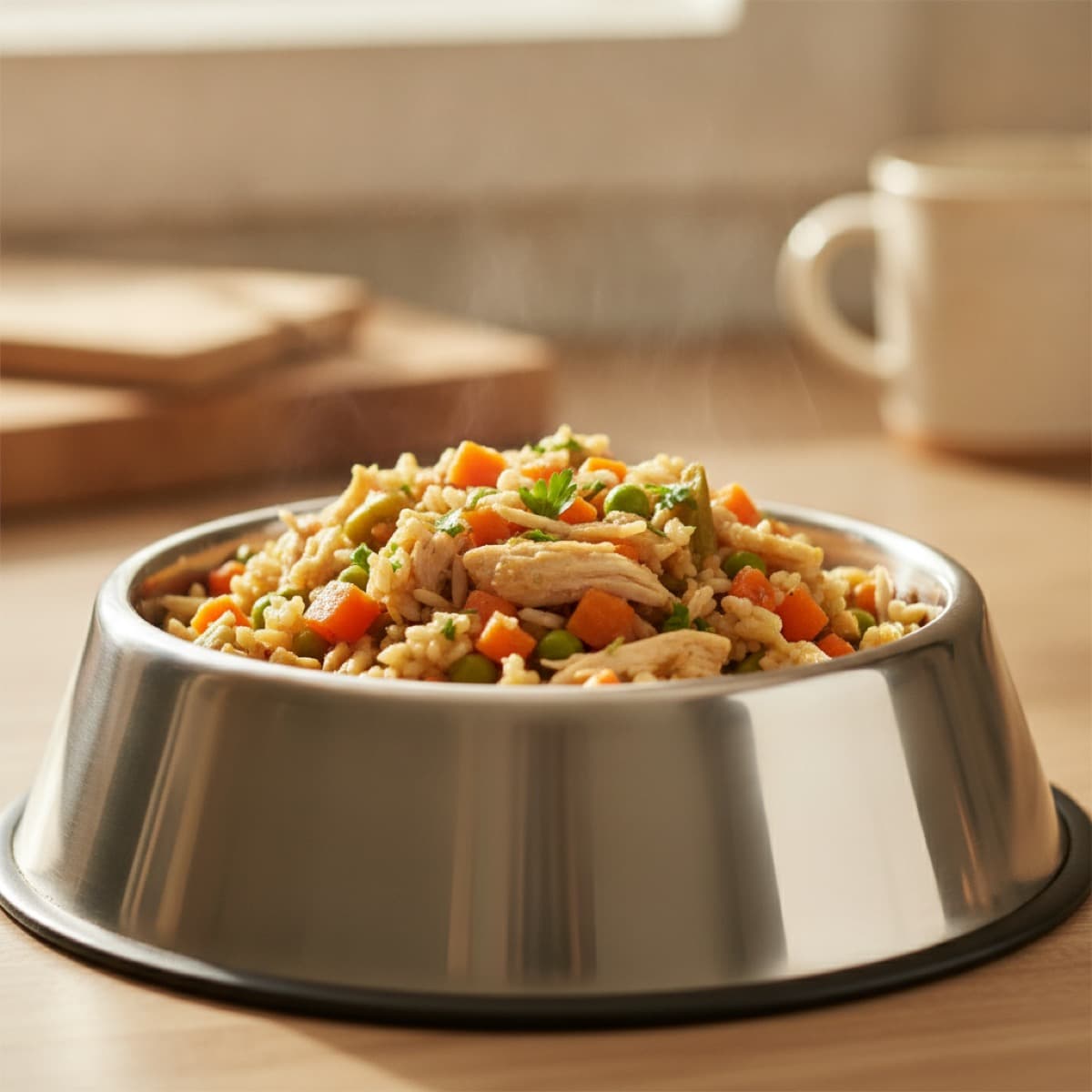
You found a new food you are excited about, maybe an upgrade in quality, a formula for a new life stage, or a recipe that fits a sensitivity. Then reality hits: switching too fast can leave your dog with an upset stomach, loose stools, or a sudden lack of interest in the bowl. It is one of the most common feeding mistakes, and it is completely avoidable.
A dog's digestive system, and the helpful bacteria that live in it, adjusts best to change gradually. In this guide we share a simple, vet-friendly schedule for transitioning food over about a week, plus tips for picky eaters and sensitive tummies. When you are choosing that next bag, the picks we feature at Golden Paw link straight to Chewy and Amazon so you can read reviews and compare before you buy.
Why a Slow Transition Matters
Your dog's gut is home to a community of bacteria that helps break down their specific food. When you change recipes suddenly, that community has not had time to adapt, which is why a rushed switch often leads to gas, loose stools, or vomiting. A gradual change gives the gut time to adjust and keeps digestion comfortable.
This is true even when you are moving to a higher-quality food. Better ingredients are wonderful, but the digestive system still needs time to catch up. Think of it as easing into a new routine rather than flipping a switch.
The Simple 7-Day Schedule
A week-long transition works well for most dogs. Start by mixing about 25 percent new food with 75 percent old food for the first two days. On days three and four, move to a roughly even split, half old and half new. On days five and six, shift to about 75 percent new and 25 percent old.
By day seven, most dogs are ready for 100 percent of the new food. Keep meal times and portions steady throughout so the recipe change is the only variable. If at any point you notice loose stools or reduced appetite, simply hold at the current ratio for a few extra days before increasing the new food again.
Go Slower for Sensitive Dogs
Some dogs have more delicate stomachs, and puppies, seniors, and dogs with a history of digestive issues often fall into this group. For them, stretching the transition to ten days or even two weeks can make all the difference. There is no prize for rushing, and a slower pace almost always means a smoother switch.
If your dog has known food sensitivities or a chronic condition, it is worth checking with your vet before changing diets. They can suggest a pace and sometimes a specific formula that fits your dog's needs, which saves you from trial and error.
What to Watch For
During the transition, keep an eye on your dog's stools, appetite, and energy. Firm, consistent stools and a healthy appetite are good signs the switch is going well. Mild, brief softening can happen and often settles on its own, but ongoing diarrhea, vomiting, or a refusal to eat means you should slow down.
Contact your vet if symptoms are severe, last more than a day or two, or come with lethargy. These can occasionally signal something beyond a simple food change, and it is always better to check than to guess.
Tips for Picky Eaters
Not every dog dives into a new food right away. If yours is hesitant, warming the food slightly or adding a spoonful of wet food or a splash of low-sodium broth can make it more appealing. Warmth releases aroma, which is a big part of how dogs decide something is worth eating.
Avoid the temptation to give in and offer a buffet of options, which can teach a dog to hold out for something tastier. Staying consistent with the gradual mix, while making the new food inviting, usually wins picky eaters over within the week.
When You Need to Switch Faster
Sometimes a slow transition is not possible, for example if a food is recalled or suddenly unavailable. In those cases, try to pick a new food with a similar protein source and formula to minimize the shock. Feeding a bland, easy-to-digest meal for a day and adding a vet-recommended probiotic can also help settle the stomach.
Even in a pinch, watch closely for digestive upset and give your dog plenty of fresh water. If you have any concerns about an abrupt change, a quick call to your vet can point you toward the gentlest option available.
Frequently asked questions
- How long should it take to switch dog food?
- About seven days works for most dogs. Sensitive dogs, puppies, and seniors may need ten days to two weeks for a comfortable transition.
- What if my dog gets diarrhea during the switch?
- Hold at the current old-to-new ratio for a few extra days before increasing the new food. If diarrhea is severe or lasts more than a day or two, contact your vet.
- Can I switch dog food cold turkey?
- It is best to avoid an abrupt switch since it often causes stomach upset. If you must switch fast, choose a similar formula and watch closely for digestive issues.
- Do I need to transition slowly when changing flavors of the same brand?
- A short transition is still wise, since the ingredients can differ between flavors. A few days of mixing usually keeps things smooth even within one brand.
Shop these picks
Found this helpful? Make us a preferred source on Google.
Ready for an exact price?
Get a free, no-pressure in-home estimate. Real numbers for your home, not a phone guess.