
Puppy Feeding Guide: How Often and How Much
· By The Golden Paw Team
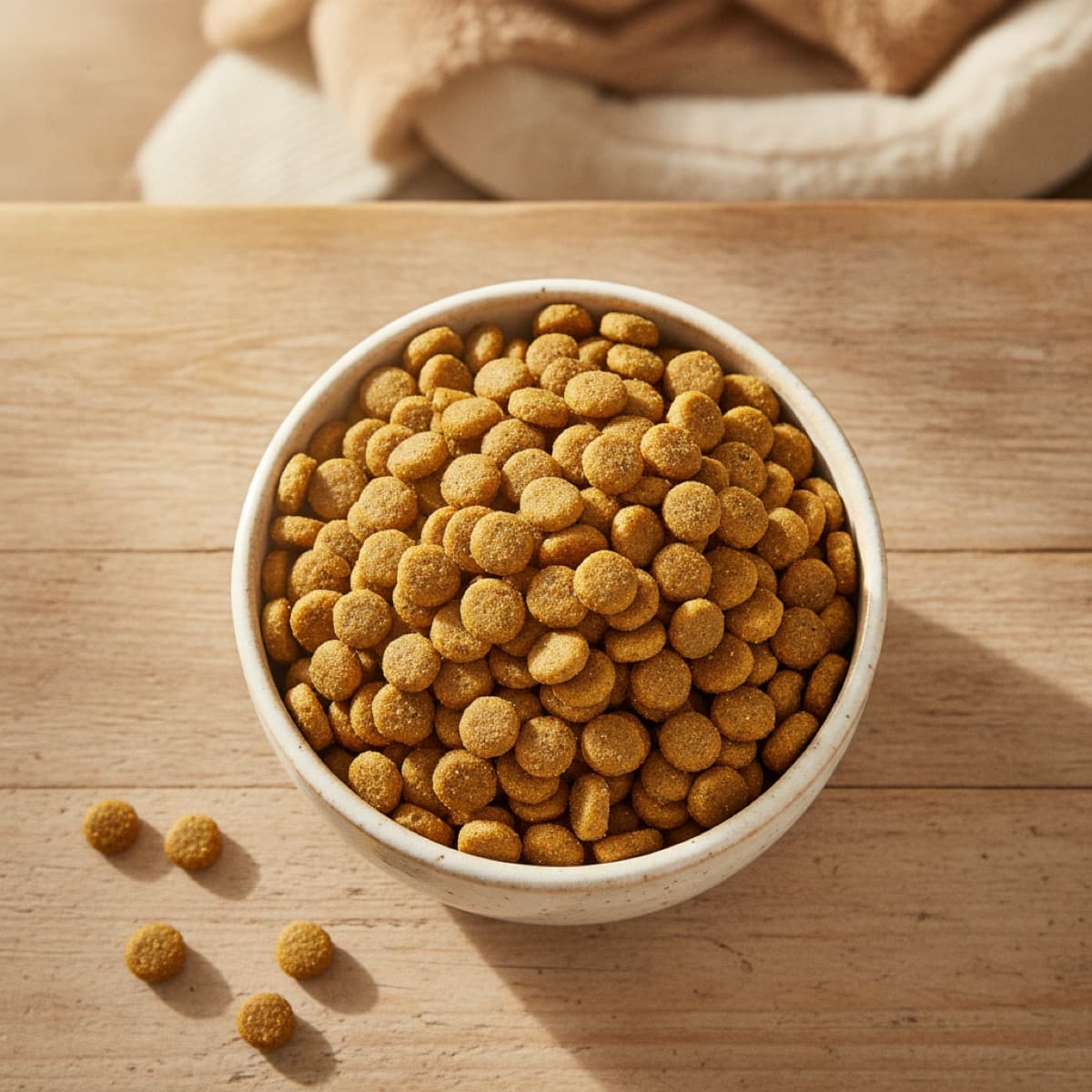
Bringing home a new puppy is joyful and a little overwhelming, and feeding is one of the first things new owners worry about. Puppies grow astonishingly fast, and that growth is fueled entirely by what goes in their bowl. Getting the schedule and portions right sets the foundation for a strong, healthy adult dog.
The needs of a puppy change quickly in the first year, so what works at eight weeks looks different at six months. In this guide we break down how often and how much to feed by age, what to look for in puppy food, and how to build good habits early. When you are choosing that first bag, the picks we feature at Golden Paw link straight to Chewy and Amazon so you can compare quality and price.
How Often to Feed by Age
Young puppies have small stomachs and high energy needs, so they eat little and often. From weaning until about three or four months, most puppies do best with four meals a day, spaced evenly to keep their energy and blood sugar steady. This frequency supports the rapid growth happening in those early weeks.
From around four to six months, you can usually move to three meals a day. By six months to a year, most puppies transition to two meals a day, the schedule they will keep as adults. These are general ranges, and smaller breeds sometimes need more frequent meals longer, so watch your individual puppy and check with your vet if you are unsure.
How Much to Feed
Start with the feeding chart on your puppy food bag, which lists amounts by expected adult weight and current age. Because puppies grow so quickly, the right portion changes almost weekly, so plan to recheck it often. Divide the total daily amount across the number of meals your puppy is eating.
Every puppy is an individual, and the chart is a starting point rather than a strict rule. A puppy who is growing well should have a bit of a rounded belly after eating without looking bloated, and you should be able to feel their ribs without them being sharply visible. If your puppy seems too thin or too round, adjust the amount and consider a quick vet check to confirm they are on track.
Choosing the Right Puppy Food
Puppies need food specifically formulated for growth, not adult maintenance. Look for a bag labeled for puppies or "all life stages" with an AAFCO statement confirming it meets nutrient needs for growth. These formulas provide the extra protein, calories, and minerals that developing bodies require.
Large-breed puppies deserve special attention. They should eat a large-breed puppy formula that carefully controls calcium and calorie density, which helps their joints and bones develop at a safe pace. Feeding a giant-breed pup a rich, calorie-dense food can actually cause growth to happen too fast, so matching the formula to size is genuinely important.
Building Healthy Eating Habits
Consistency helps puppies thrive. Feed at the same times each day in a calm, low-traffic spot, and give your puppy ten to twenty minutes to eat before picking up the bowl. This routine supports digestion, makes house-training easier, and helps you notice quickly if their appetite changes.
Fresh water should always be available. Avoid free-feeding, since leaving food out all day makes it hard to track intake and can encourage picky eating. A predictable mealtime routine also teaches your puppy patience and good manners around food from the very start.
Treats and Training Rewards
Treats are a wonderful training tool, and puppies learn quickly when there is a tasty reward involved. Keep treats to no more than about ten percent of your puppy's daily calories so they do not crowd out the balanced nutrition from meals. Small, soft treats are ideal for training because you can give many without overfeeding.
You can even use a portion of your puppy's regular kibble as training rewards, which keeps calories in check. Be cautious with human foods, since some, like chocolate, grapes, onions, and xylitol, are toxic to dogs. When in doubt about a food, look it up or ask your vet before offering it.
When to Switch to Adult Food
Most dogs are ready to move from puppy food to adult food when they reach their expected adult size and growth slows down. For small breeds this can be around nine to twelve months, while large and giant breeds may stay on puppy food until twelve to eighteen months. Switching too early can shortchange a still-growing dog.
When the time comes, transition gradually over about a week by mixing increasing amounts of the adult food with the puppy food. Your vet can confirm the right timing for your specific dog, since it depends on breed, size, and individual development.
Frequently asked questions
- How many times a day should I feed my puppy?
- Very young puppies usually need four meals a day, moving to three around four to six months, then two meals a day by six months to a year.
- How much should I feed my puppy?
- Start with the feeding chart on the bag based on age and expected adult weight, divide it across meals, and adjust so your puppy stays at a healthy body condition.
- When should I switch my puppy to adult food?
- Most small breeds switch around nine to twelve months, while large and giant breeds may stay on puppy food until twelve to eighteen months. Ask your vet for your dog's ideal timing.
- Can I give my puppy treats?
- Yes, in moderation. Keep treats to about ten percent of daily calories, use small soft options for training, and avoid toxic foods like chocolate, grapes, onions, and xylitol.
Shop these picks
Found this helpful? Make us a preferred source on Google.
Ready for an exact price?
Get a free, no-pressure in-home estimate. Real numbers for your home, not a phone guess.