
Wet vs Dry Cat Food: Which Is Better for Your Cat?
· By The Golden Paw Team
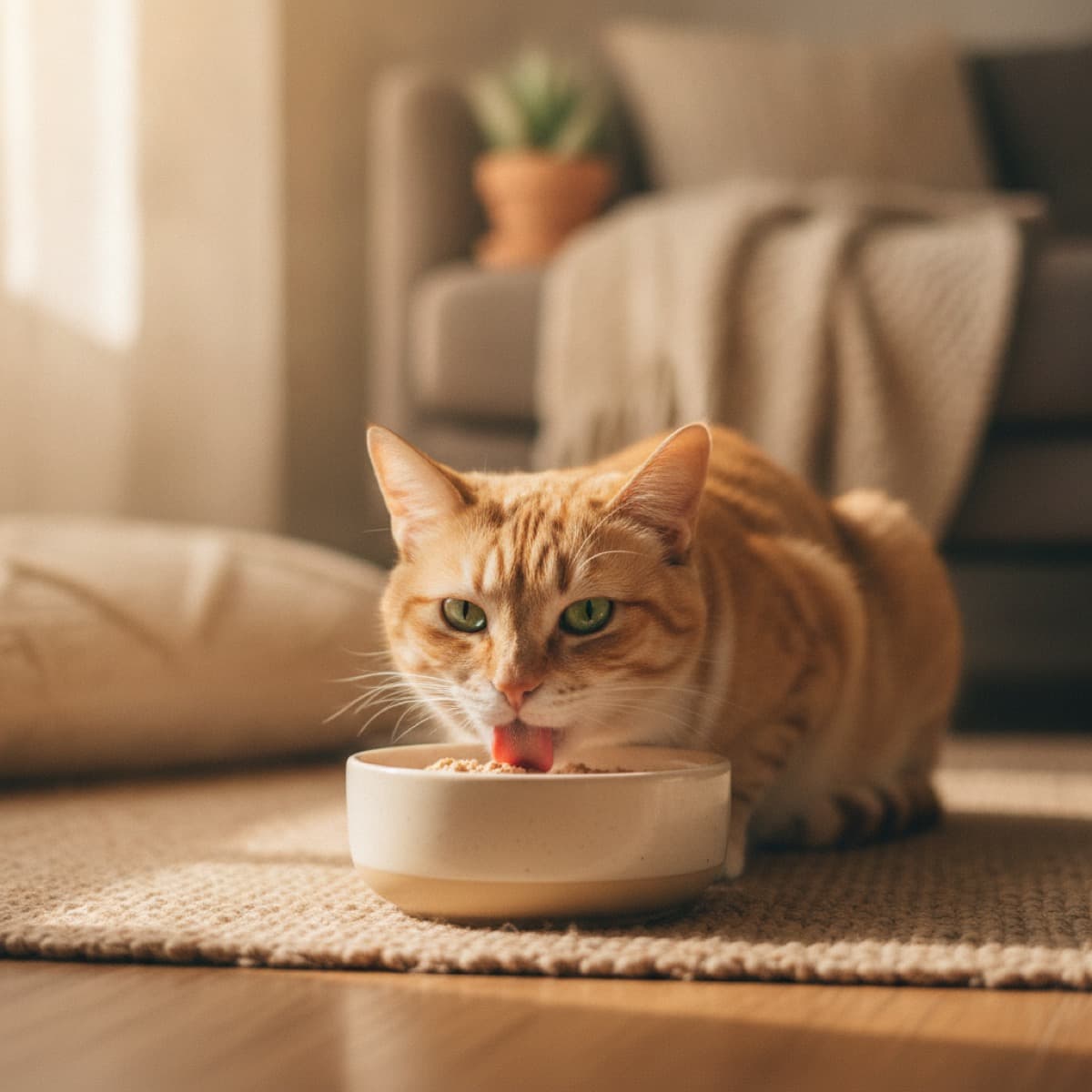
Stand in the cat food aisle for two minutes and the question hits you: cans or kibble? Both promise complete nutrition, both come in dozens of flavors, and both have loyal fans who swear their way is best. The honest answer is that neither one is automatically better. Each has real strengths, and the right pick depends on your cat, your routine, and your budget.
This guide breaks down the practical differences between wet and dry cat food so you can decide without the guesswork. We will look at hydration, calories, dental health, convenience, and cost, then talk about why a lot of cat owners end up feeding a mix of both. At Golden Paw we read the labels, compare the options, and point you toward foods worth a look on Chewy and Amazon, but the goal here is simply to help you understand what you are choosing between.
The Big Difference: Moisture
The single biggest gap between wet and dry food is water. Canned wet food is usually around 70 to 80 percent moisture, while dry kibble sits closer to 6 to 10 percent. That sounds like a technical detail, but it matters more for cats than for most other pets.
Cats evolved from desert animals and tend to have a low thirst drive. In the wild, most of their water came from prey, not a water bowl. Many house cats simply do not drink enough on their own, which can leave them mildly under-hydrated over time. Wet food helps close that gap by delivering water with every bite.
Good hydration supports kidney and urinary tract health, and those are areas where cats commonly run into trouble as they age. If your cat has a history of urinary issues or your vet has flagged kidney concerns, wet food (or at least adding some to the diet) is often part of the conversation. Always ask your vet about your specific cat, but moisture is the headline reason many owners lean toward canned food.
Calories, Weight, and Portion Control
Dry food is calorie-dense. A small scoop of kibble packs a lot of energy into a little volume, which makes it easy to overfeed without noticing. Free-feeding a bowl of kibble all day is convenient, but for an indoor cat who naps most of the afternoon, it can quietly lead to weight gain.
Wet food is more filling per calorie because so much of it is water. A cat can eat a satisfying portion of canned food and take in fewer calories than the same-looking amount of kibble. For cats who need to slim down, many owners and vets find wet food easier to manage for weight.
That said, portion control works with either food. The key is measuring meals instead of topping off a bowl by feel, and following the feeding guide on the label as a starting point. Your vet can help you fine-tune the amount based on your cat's ideal weight and activity level.
Dental Health: The Common Myth
You have probably heard that dry food cleans a cat's teeth. It is a comforting idea, but the reality is more modest. Most kibble shatters on contact and does little scrubbing along the gumline, which is where dental disease actually starts. It is not the toothbrush it is often made out to be.
Some products are specifically designed for dental care, with larger, textured pieces that encourage chewing and carry a claim to help reduce tartar. Those can offer a small benefit. But relying on regular kibble alone to keep your cat's mouth healthy is a stretch.
The things that genuinely protect teeth are tooth brushing at home when your cat tolerates it, vet-recommended dental treats or diets, and professional cleanings when your vet advises them. Neither wet nor dry food replaces those. So do not choose dry food purely for dental reasons; choose it for the other benefits and handle dental care separately.
Convenience, Storage, and Cost
Dry food wins on convenience. It stays fresh in the bowl for hours, travels well, works in puzzle feeders, and stores easily in a sealed container. If you have a busy schedule or a cat who grazes throughout the day, kibble fits that lifestyle. It also tends to cost less per serving, which adds up over a year.
Wet food takes a little more effort. Once opened, a can needs to be refrigerated and used within a day or two, and leftovers should not sit out for long because they spoil. It also usually costs more per calorie than dry food. For multi-cat homes, that gap can be meaningful.
On price, it helps to think in ranges rather than exact numbers. Wet food generally costs more per meal than dry, and premium or specialty formulas of either type sit at the higher end of the market. When we highlight picks at Golden Paw, we try to flag solid options across budgets on Chewy and Amazon so you can match quality to what makes sense for your household.
Why Many Owners Feed Both
Here is the part the marketing rarely mentions: you do not have to pick a side. A very common and reasonable approach is to feed both. A lot of owners serve wet food for one or two meals a day to boost hydration, and leave a measured amount of dry food out for grazing or use it in puzzle feeders for enrichment.
Mixed feeding gives you the moisture benefits of wet food and the convenience of dry, while adding variety that many cats appreciate. It can also make mealtimes more interesting for a cat who gets bored of eating the exact same thing every day.
Whichever route you choose, make sure the food is labeled complete and balanced for your cat's life stage, and transition slowly over about a week when you switch brands or textures. Sudden changes can upset a cat's stomach. When in doubt about your specific cat's needs, especially with a health condition in the picture, your veterinarian is the right person to guide the plan.
Frequently asked questions
- Is wet or dry cat food healthier?
- Neither is automatically healthier. Wet food offers more moisture and can help with hydration and weight, while dry food is convenient and budget-friendly. The healthiest choice is a complete and balanced food that suits your individual cat, and many owners feed a mix of both.
- Does dry food really clean a cat's teeth?
- Only a little, if at all. Most kibble crumbles on contact and does not scrub the gumline where dental disease begins. Special dental diets can help modestly, but tooth brushing, vet-recommended dental products, and professional cleanings do the real work.
- Can I feed my cat both wet and dry food?
- Yes, and many owners do. A common approach is wet food for one or two meals to add hydration, plus a measured amount of dry food for grazing or puzzle feeders. Just keep total calories in check and make sure both foods are complete and balanced.
- How do I switch my cat between wet and dry food?
- Go slowly. Mix a small amount of the new food into the current one and increase it gradually over about seven days. A slow transition reduces the chance of digestive upset. If your cat refuses the change or has a health condition, check with your vet.
Shop these picks
Found this helpful? Make us a preferred source on Google.
Ready for an exact price?
Get a free, no-pressure in-home estimate. Real numbers for your home, not a phone guess.